
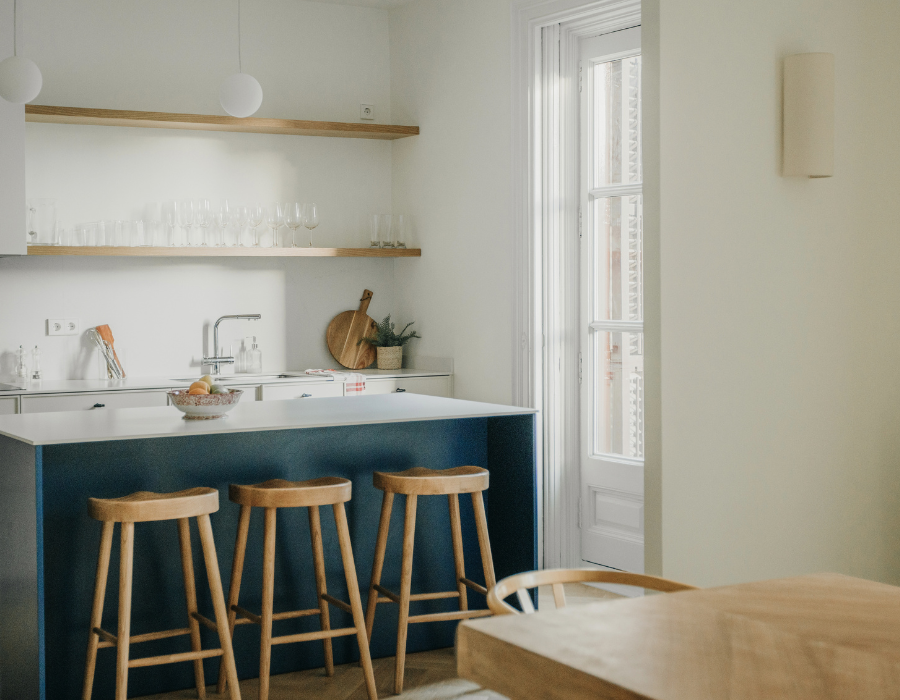
Open shelving has become a popular feature in contemporary kitchen design and it’s easy to understand why.
Styled with beautiful crockery, glassware, cookbooks and a few carefully chosen accessories, open shelves can make a kitchen feel relaxed, personal and wonderfully inviting. They also offer a welcome break from rows of cabinetry, bringing a lighter and more spacious feel to the room.
But while open shelving can look lovely in photographs, is it always the best choice for everyday life?
As experienced kitchen designers in West Sussex, we believe the answer depends on the size of your kitchen, how much storage you need and how you genuinely use the space.
Where open shelving works particularly well
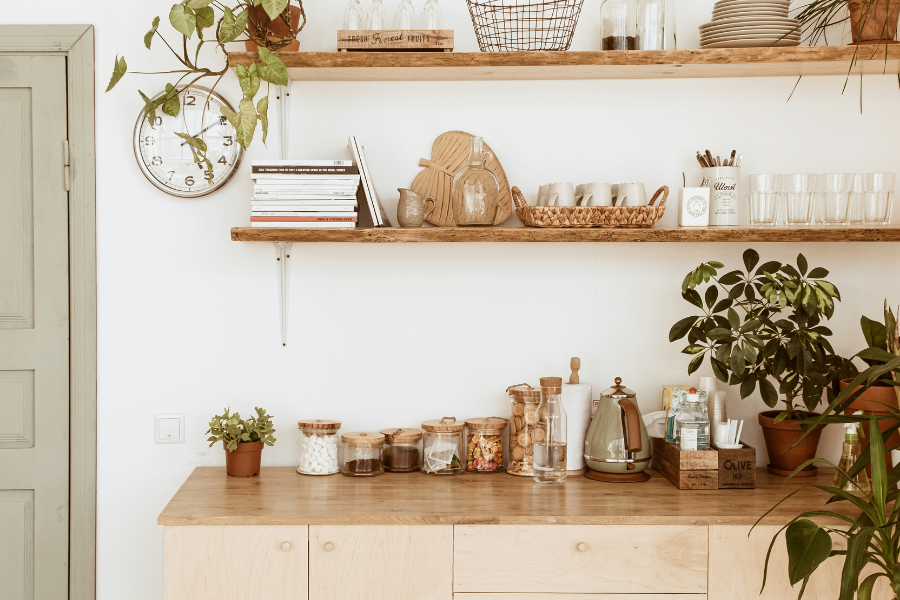
In a smaller or galley kitchen, rows of wall cabinets can sometimes make the room feel enclosed. Replacing one or two cabinets with open shelving can create more breathing space and help the kitchen feel wider and less crowded.
This can be particularly effective above a preparation area or on a wall where full cabinetry would feel visually heavy.
Open shelves also give you an opportunity to introduce warmth and personality. Natural wood can soften a contemporary kitchen, while shelves painted to match the cabinetry can create a more seamless, understated finish.
They’re also useful for keeping frequently used items within easy reach. Everyday mugs, bowls and glasses are much easier to keep clean than purely decorative pieces because they’re regularly removed, used and washed.
Will you lose too much storage?
This is the most important question to consider. An open shelf may create a greater feeling of space, but it won’t offer the same storage capacity as a wall cabinet. You’ll also need to be much more selective about what you place on it.
Behind a cabinet door, you can store mismatched mugs, packets, appliances and everyday clutter without affecting the overall look of the room. On an open shelf, everything becomes part of the design.
Before removing wall cabinets from the plan, think carefully about where their contents will go. If the kitchen already has generous drawer, pantry or island storage, open shelving may be an easy compromise. In a smaller kitchen where every cupboard is needed, losing enclosed storage could quickly become frustrating.
Our designers consider the room as a whole before recommending open shelves. The aim is to create a lighter appearance without leaving you short of practical storage.
The reality of keeping shelves looking good
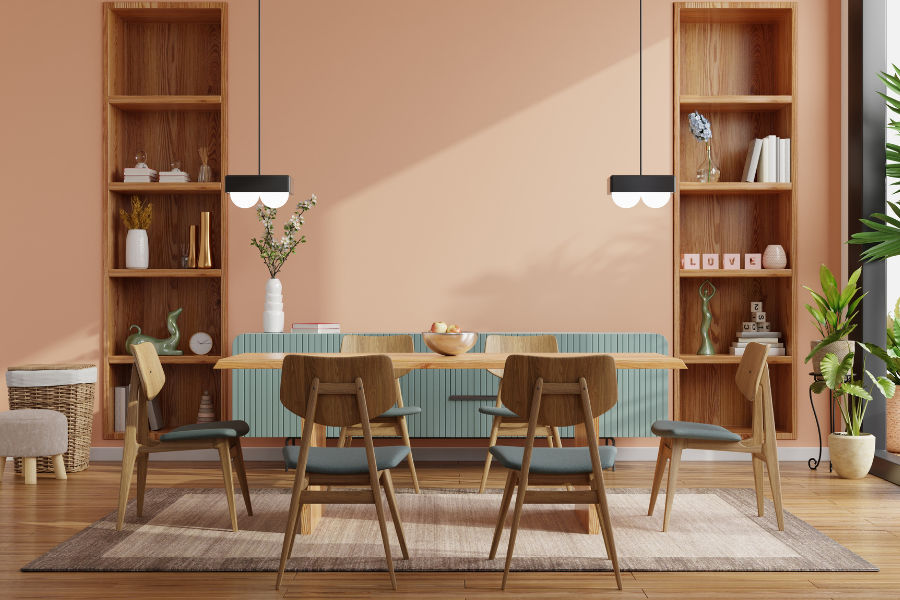
The beautifully styled shelves you see online rarely show the daily reality. Open shelves collect dust and, depending on their position, may also attract cooking grease. They need to be wiped regularly, and the items displayed on them need occasional cleaning too.
Positioning makes a considerable difference. Shelving placed directly beside a hob is likely to require more maintenance than shelving situated away from the main cooking area.
You’ll also need to decide whether you’re happy to keep the contents relatively tidy. If you prefer being able to close a door on everyday clutter, conventional cabinetry may suit you better. This doesn’t mean open shelving is impractical—it simply works best when it reflects the way you naturally live.
Make sure it can carry the weight
A shelf holding a few decorative objects is very different from one supporting stacks of crockery, cast-iron pans or heavy serving dishes. The shelf material, depth, brackets and wall construction all need to be considered. Fixings must be appropriate for both the wall and the combined weight of everything you intend to store.
This is especially important when creating a floating shelf, where the supporting structure is hidden. These shelves can look beautifully clean and minimal, but they must be designed and installed correctly.
Discuss what you intend to place on the shelves with your kitchen designer before the design is finalised. They can ensure the proposed shelf is suitable, properly supported and safely installed.
Practical alternatives to fully open shelving
If you love the lighter appearance but aren’t convinced by the maintenance or loss of storage, there are several alternatives.
Glazed wall cabinets
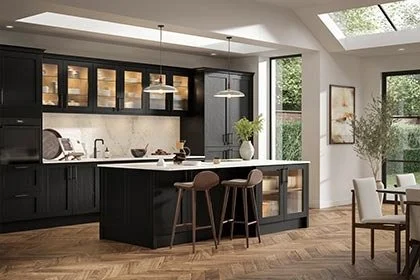
Glass-fronted cabinets create a greater sense of depth while protecting crockery and glassware from dust. Integrated lighting can make them feel even lighter and turn everyday storage into an attractive feature.
Clear glass creates an open display, while fluted, reeded or smoked glass offers a softer look and helps disguise the contents.
A single feature shelf
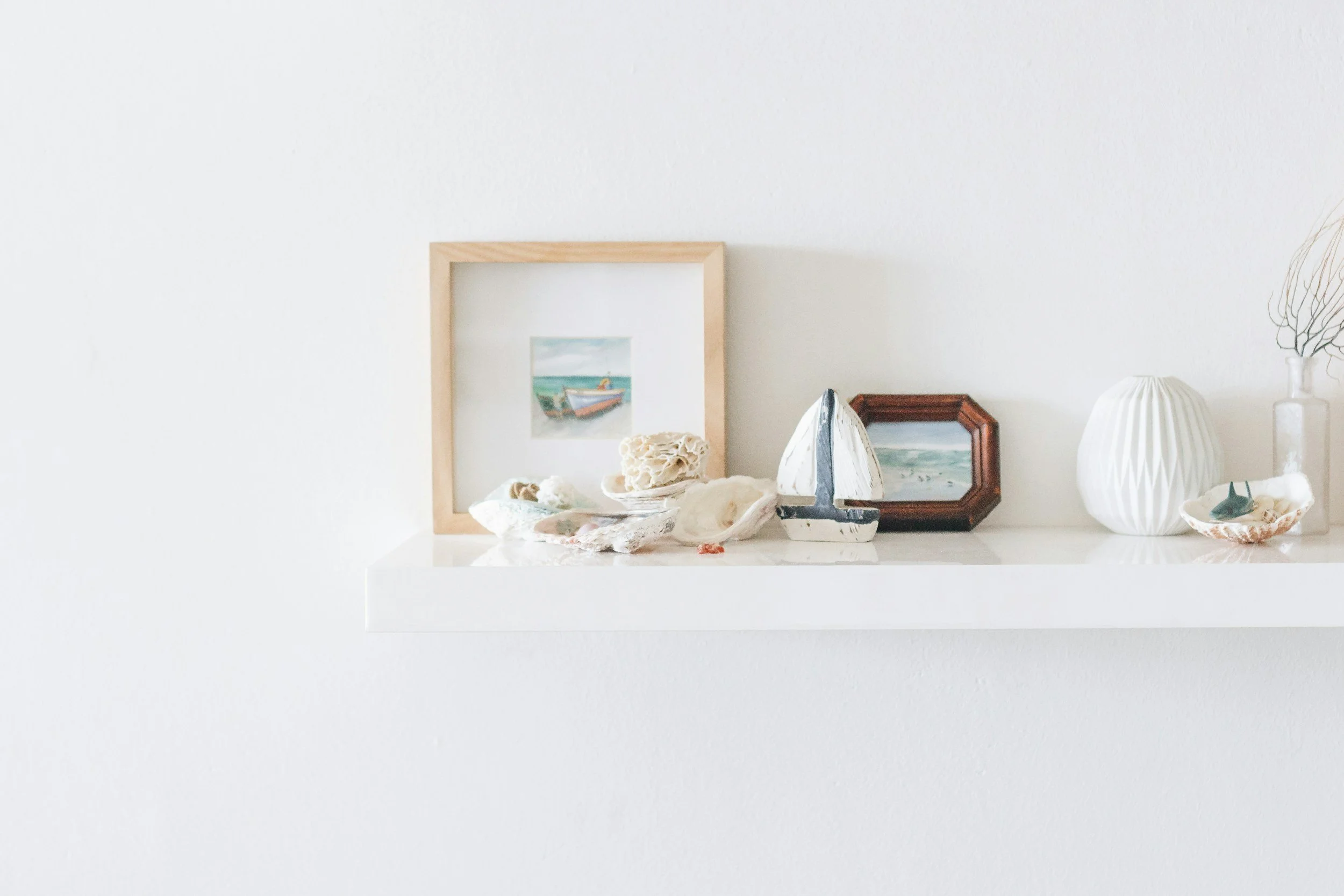
You don’t need to replace an entire run of wall cabinets. One carefully positioned shelf can provide the character and openness you want without sacrificing too much storage.
Open display niches
A small open section incorporated among closed cabinets can break up a solid run of furniture. It provides somewhere for cookbooks or favourite pieces while keeping most items hidden away.
A feature dresser or display cabinet
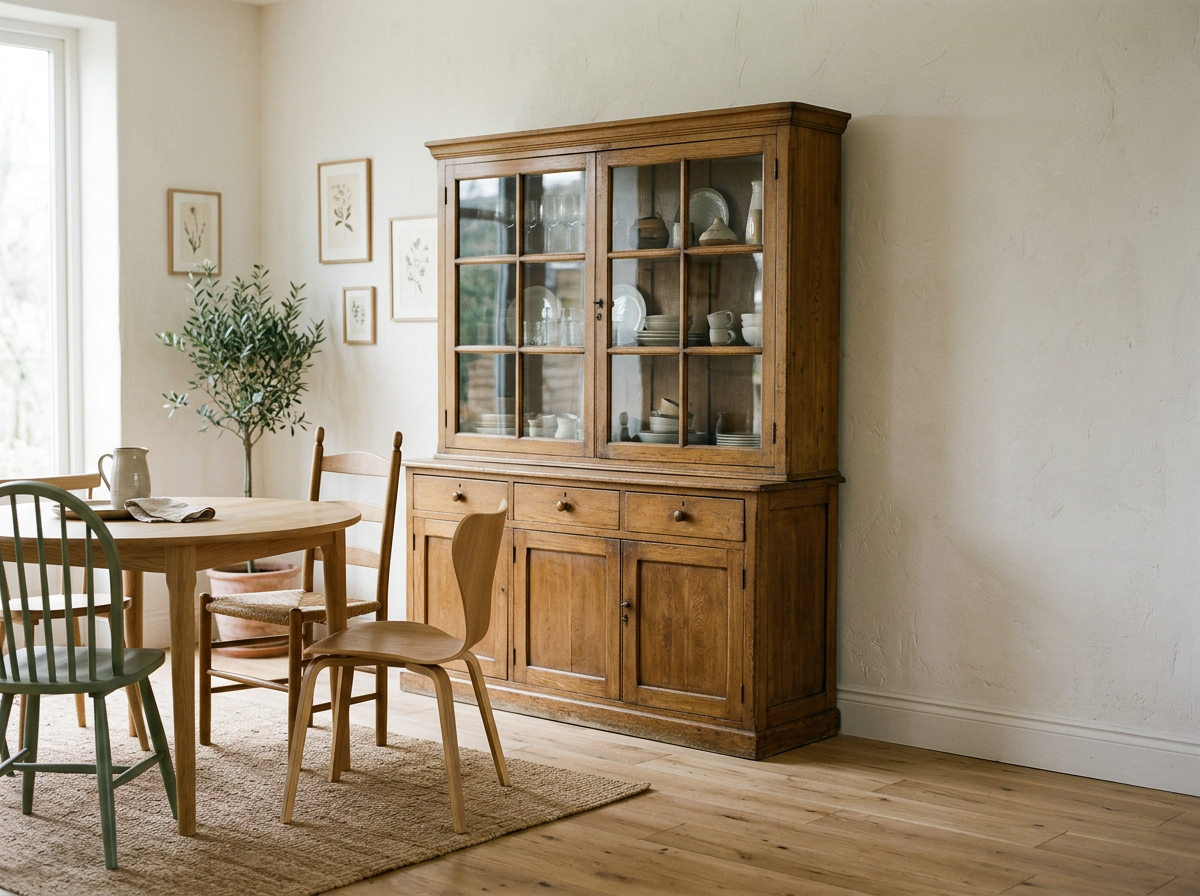
A dresser can create the same opportunity to display treasured items while offering more substantial, protected storage below.
Is open shelving right for your kitchen?
Open shelving can be a beautiful and practical addition when it’s used thoughtfully. It can make a compact kitchen feel more spacious, introduce warmth and allow you to display the things you genuinely love.
Consider how much storage you need, what you would place on the shelves and whether you’re comfortable with the cleaning and styling they require. Most importantly, make sure the shelves are designed and installed to support their intended use.
At Euphoria Home, our kitchen designers work with homeowners across West Sussex to balance appearance with everyday practicality. We’ll help you explore open shelving, glazed cabinetry and other storage options to create a kitchen that feels spacious, beautifully considered and easy to live with.
Arrange a free, no-obligation design consultation