
Planning the Perfect Kitchen Layout: Spacing and Design Guidelines
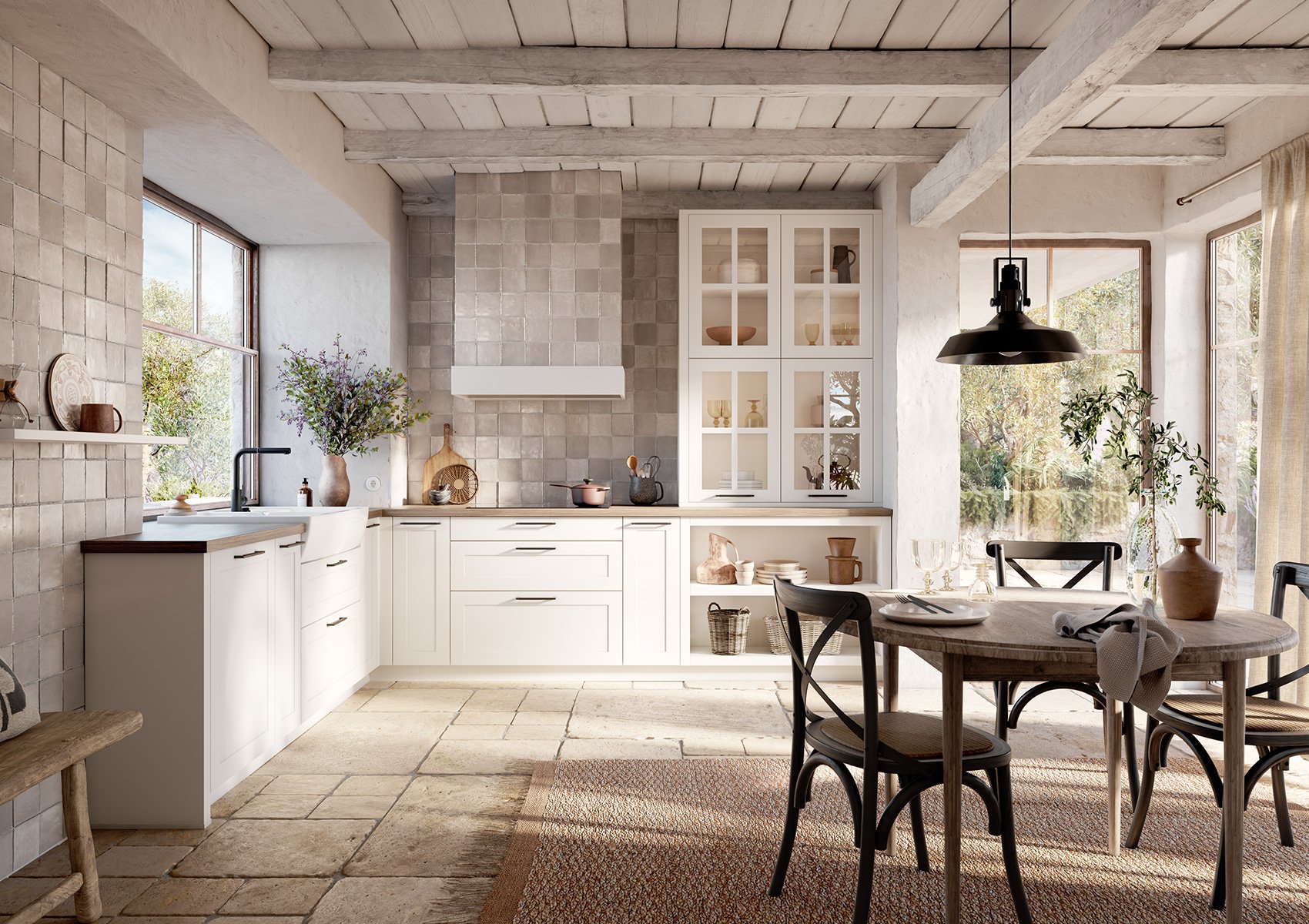
Designing a new kitchen is exciting, but it’s easy to get carried away with finishes and colours before thinking about the most important part, the layout. The way you plan your space has a huge impact on how enjoyable your kitchen is to use day-to-day. While not every home can follow design rules to the letter, the National Kitchen & Bath Association (NKBA) offers tried-and-tested guidelines that can make all the difference to flow, safety, and functionality.
At Euphoria Home, we’ve brought countless kitchen plans to life, and one thing we always say to clients is: beautiful design starts with good spacing. Here’s a quick guide to the key layout measurements and why they matter.Blog Post Headline
A well-planned kitchen allows you to move easily between the sink, cooker, and fridge, the three main work zones known as the kitchen triangle. This concept keeps everything within easy reach, preventing bottlenecks and unnecessary walking between tasks.
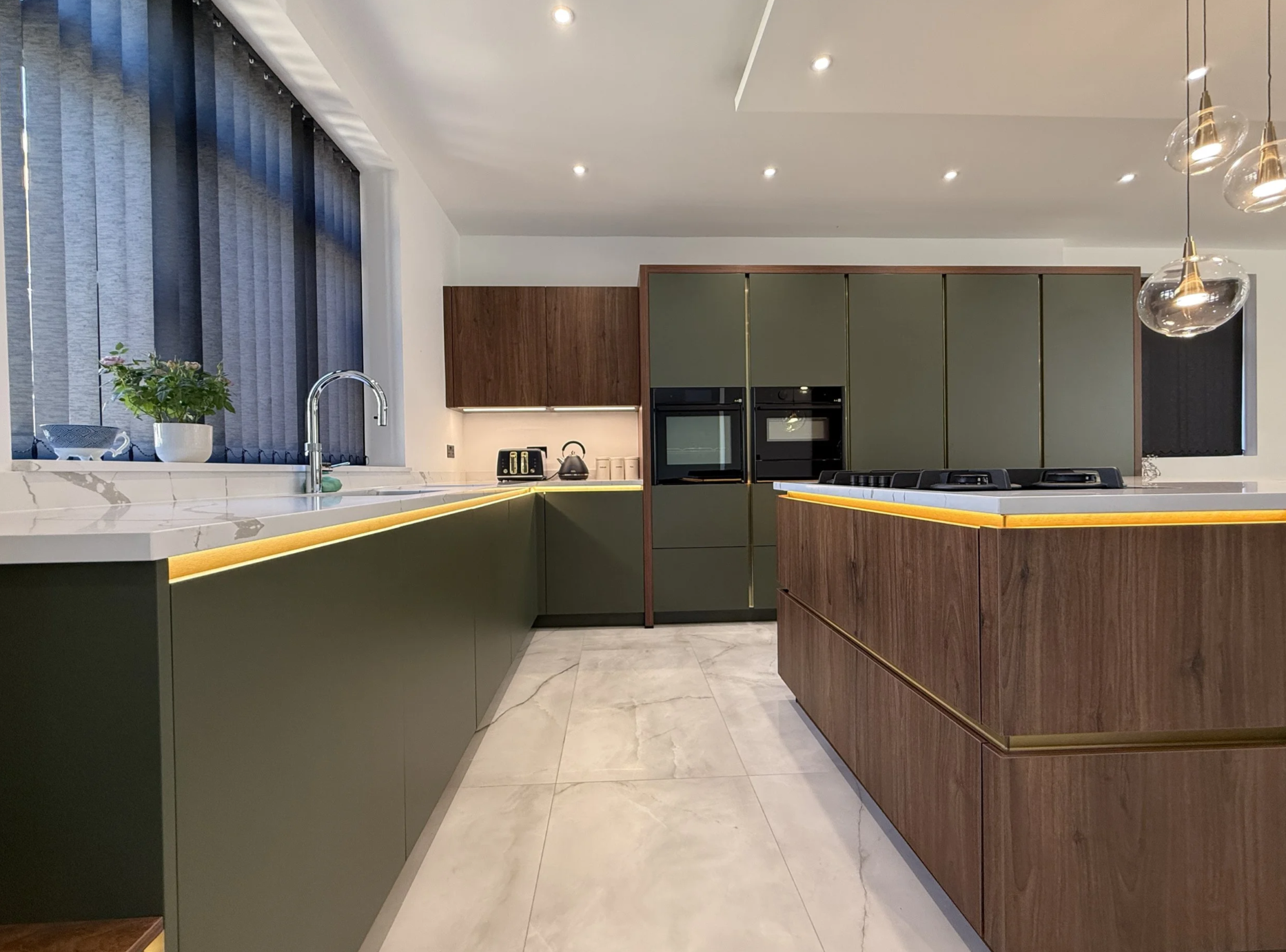
A well-planned kitchen allows you to move easily between the sink, cooker, and fridge, the three main work zones known as the kitchen triangle. This concept keeps everything within easy reach, preventing bottlenecks and unnecessary walking between tasks. Ideally:
No side of the triangle should be shorter than 1.2 metres or longer than 2.7 metres.
The total distance of all three sides should be around 7.9 metres or less.
Avoid placing major obstacles (like islands or tall cabinets) within the triangle.
Island and Countertop Clearance
If you’re dreaming of an island, spacing is crucial. There should be enough room for doors and drawers to open fully, and for people to pass comfortably behind someone working at the counter.
As a guide:
Between island and opposite counter: at least 1.1 metres (or 1.2 metres in kitchens used by two people at once).
If an oven or dishwasher door opens into this space: aim for 1.2–1.3 metres of clearance.
Smaller kitchens may not allow for a full island, but our designers can often create a peninsula layout or a slimline breakfast bar that achieves a similar effect without crowding the room.
Walkways and Circulation
Walkways separate your working zone from the rest of the kitchen — important if your space connects to a dining area or is used by multiple people at once.
Main walkways (through routes): minimum 90 cm wide.
Working aisles (where cooking and cleaning happen): 1.05–1.2 metres wide.
Good spacing keeps the kitchen feeling open and helps prevent congestion around busy areas like the fridge or sink.
Seating and Bar Areas
Breakfast bars and island seating make a kitchen more sociable, but they need space to work comfortably. Allow:
60 cm per stool for elbow room.
90–110 cm from the front of the counter to the nearest wall or obstruction if people need to walk behind seated guests.
This ensures chairs can be pulled out easily without restricting movement.
Sink and Dishwasher Placement
The dishwasher and sink should be close enough to share plumbing and make loading simple.
Dishwasher to sink: ideally within 90 cm.
Leave at least 53 cm (about 21 inches) of clearance in front of the dishwasher for the door to open fully without hitting cabinets or walls.
A practical layout makes cleaning up after meals faster and less stressful.
Countertop Landing Zones
Landing space is the unsung hero of a great kitchen — those handy surfaces next to key appliances that make cooking feel effortless.
Next to the hob or oven: allow 30–40 cm on one or both sides for hot pans.
Next to the fridge: at least 38 cm for unpacking groceries.
Next to the sink: ideally 45–60 cm each side for washing and drying dishes.
When everything has its place, you’ll notice how naturally the kitchen flows.
When to Call in the Experts
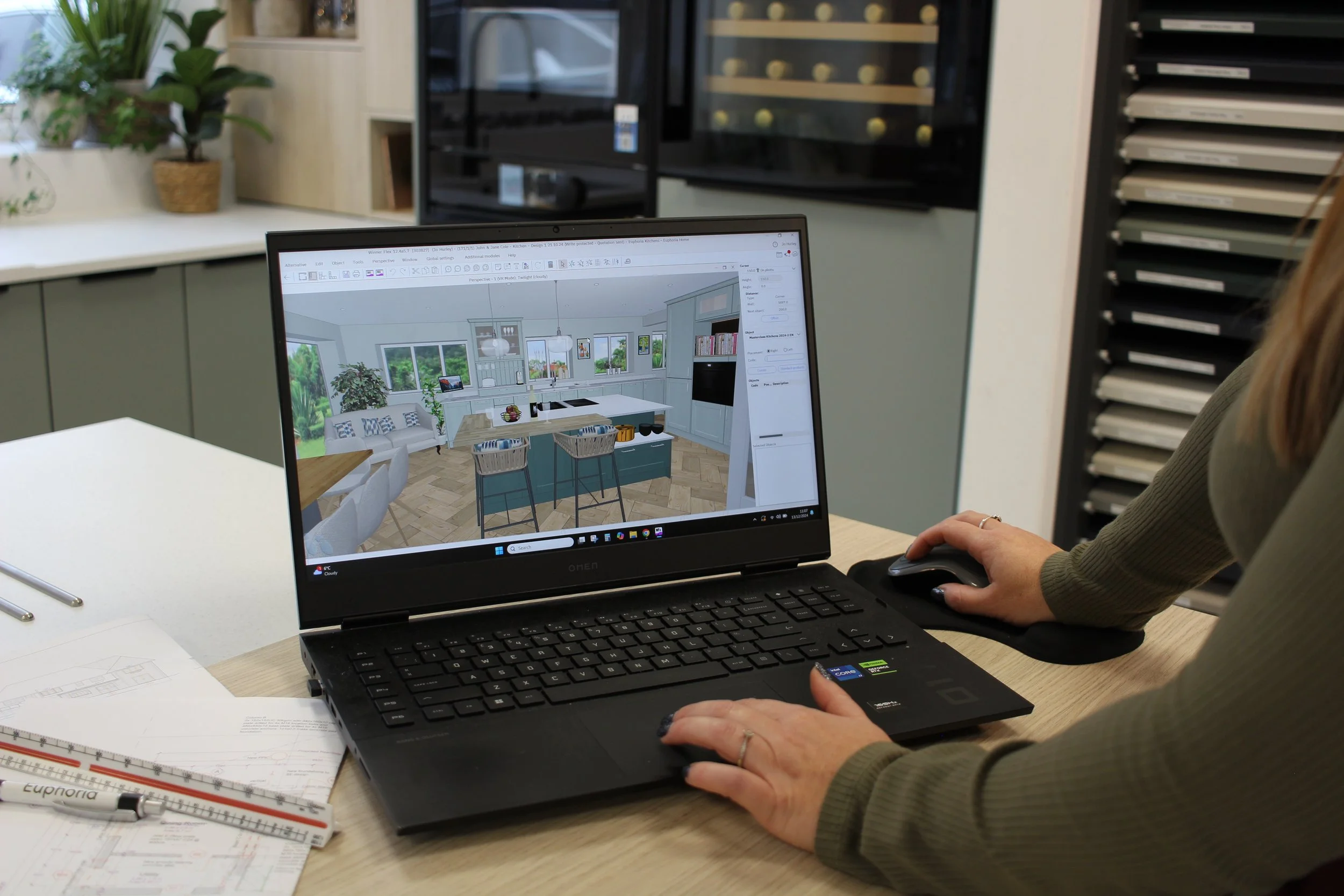
Getting the spacing right can be tricky, especially if you’re working with a compact or irregular room. That’s where an experienced designer makes all the difference. The Euphoria Home team can measure, plan, and visualise your kitchen to ensure every centimetre is used to its best advantage, before you commit to cabinetry or appliances.
Whether you’re planning a family-friendly open-plan space or a sleek, handleless layout, these design principles will help create a kitchen that’s both beautiful and effortless to live in.
WELCOME TO EUPHORIA HOME
Euphoria Home designs and installs bespoke kitchens and bedrooms across West Sussex. Combining expert craftsmanship with meticulous attention to detail, every space is beautifully tailored to your lifestyle from concept to completion, handled seamlessly by our in-house team.